
How to Parkerize a Firearm: The Process, the Prep, and What Goes Wrong

Updated: Jul 27
Parkerizing is a zinc or manganese phosphate conversion coating applied to steel firearms at 185-195°F. The coating bonds directly into the metal surface, not on top of it. Surface preparation with aluminum oxide blast media is mandatory. Skip that step or polish the metal first and the coating will be thin, uneven, or fail to form entirely.
Who This Is For
This is for gun owners who want to understand the parkerizing process, restore a worn military or working firearm finish, or evaluate whether a gunsmith is doing the job correctly.
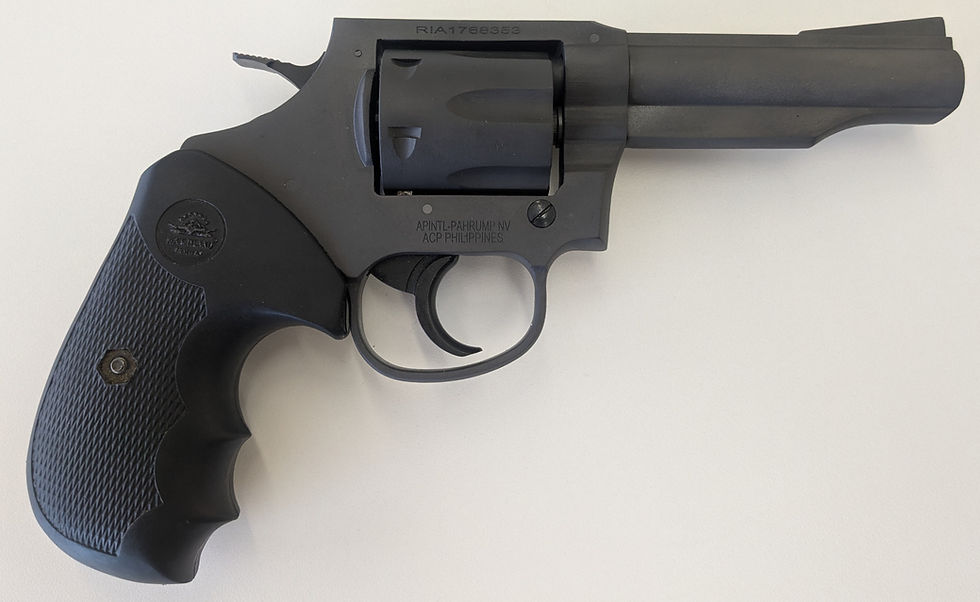
Your RIA revolver came into the shop with a finish that had seen better days. The original factory parkerizing was worn down to bare metal in the high-contact areas, the action was bound up and needed timing work, and the whole gun needed to be brought back to a functional, corrosion-resistant working condition.
Before any finish work started, the mechanical problem got fixed first. A bound action with timing issues is a safety and reliability problem. The finish comes second. That is the correct order of operations, and it is worth saying plainly because a good-looking gun that does not run right is not a finished job.
Once the action was timed and functioning correctly, the revolver went through a full parkerizing process using Brownells Zinc Phosphate Parkerizing solution and Brownells Water Displacing Oil as the post-treatment. Here is exactly how that process works and what separates a good parkerizing job from a failed one.
If you are researching what a worn firearm finish restoration actually looks like, take a look at our precision diagnostics and gunsmith services page.

What Parkerizing Actually Is and Why It Works on a Working Gun
Parkerizing is a phosphate conversion coating. That word, conversion, matters. The coating is not sprayed on or painted over the steel. It is formed by a chemical reaction that converts the surface of the steel itself into a zinc or manganese phosphate compound. The coating grows out of the metal, not on top of it.
That is what makes parkerizing so durable on a working firearm. It does not chip, peel, or flake the way a surface coating can. When the finish wears, it wears uniformly because it is part of the metal.
The porous, crystalline structure of a parkerized finish holds oil and rust preventives better than bare steel or most other finishes. Every microscopic cavity in the coating retains lubricant. On a working revolver, hunting rifle, or field gun that sees weather and heavy use, that oil retention is what keeps corrosion from starting.
Parkerizing works on iron and steel only. It will not work on stainless steel, aluminum, or brass. Those parts must be removed before the firearm goes into the bath.
For firearms with existing blued finishes that need rust stabilization rather than a full refinish, read our guide to preserving firearm bluing and steel.
Zinc vs Manganese: Which One and Why It Matters
Type | Color | Best Use | Sludge |
Zinc Phosphate | Charcoal gray | Final finish, base for spray-on coatings | Very low |
Manganese Phosphate | Dark gray to black | Final wear-resistant finish | More sludge |
Brownells offers both. Zinc is the more user-friendly system and produces very little sludge in the tank. Manganese produces a heavier, coarser coating with better wear resistance as a standalone finish. For a working revolver being restored to a functional finish, zinc phosphate is the correct choice. The RIA revolver in the shop used Brownells Zinc Phosphate Parkerizing.
The charcoal gray color fresh out of the tank is the actual color of the coating. The green or brown tint associated with vintage military rifles is not original parkerizing color. That color comes from decades of Cosmoline, linseed oil, bore cleaner, and ordinary dirt reacting with the porous coating over time.

What Most Shooters and DIY Gunsmiths Get Wrong
Polishing or smoothing the metal before parkerizing will prevent the coating from forming properly.
This is the most common mistake in DIY parkerizing work and in shops that do not understand the chemistry. A polished surface has very little surface area. The phosphate reaction depends on microscopic hills and valleys in the metal surface to deposit the coating. On a smooth or polished surface, those microscopic features are gone. The coating that forms will be thin, patchy, and will not hold oil or resist wear the way a properly prepared surface will.
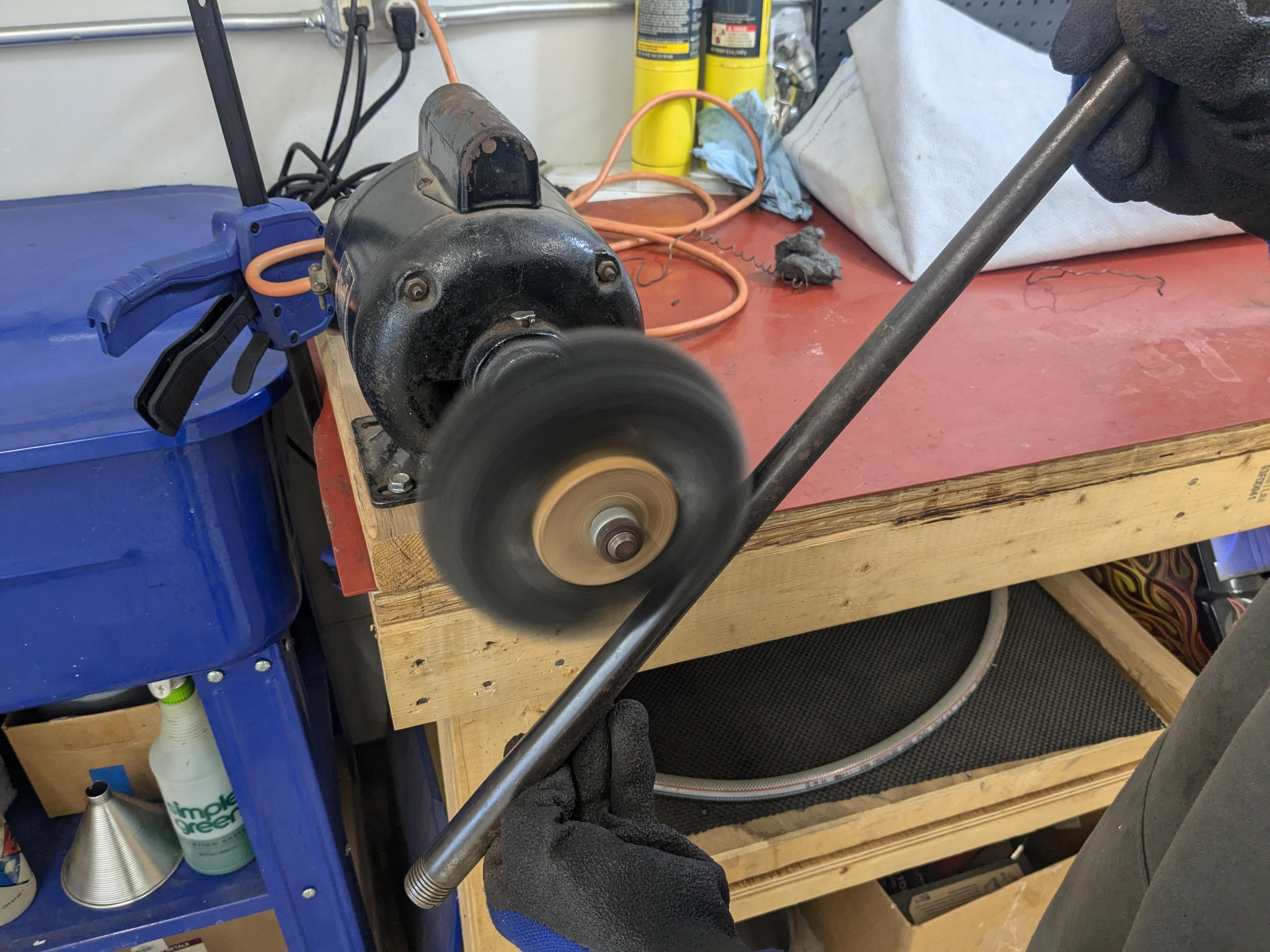
The correct surface preparation is a blast with aluminum oxide, glass beads, silicon carbide, or silica sand media. The coarser the blast, the denser the coating. The RIA revolver was blasted with aluminum oxide before going into the zinc phosphate bath.
Brownells puts it plainly in their technical instructions: the primary reason for rough surface preparation is to provide more surface area for the phosphate coating to work on. A coarse blasted surface has many more times the available area compared to a polished one.
Skipping the blast step entirely, or polishing after blasting, produces an inferior finish regardless of how correctly every other step is performed.
The Full Process Step by Step

1. Complete disassembly
Every part goes through the process individually. Aluminum and brass parts must come off the gun entirely. Parkerizing will damage aluminum and lightly etch brass. Gas ports on autoloading firearms must be plugged with wood or neoprene. Bores should be plugged to prevent the acid solution from etching the rifling.

2. Degrease thoroughly
Parts are soaked in Simple Green cleaning solution at temperature and scrubbed thoroughly. Every trace of lubricant, preservative, rust inhibitor, and blast media dust must be removed. Oil left on the surface will cause light-colored streaks where the parkerizing solution cannot reach the base metal. This step is not optional.

3. Cold water rinse
Parts are rinsed in flowing cold water and scrubbed to remove all traces of the cleaning solution. Alkaline cleaning solution carried into the parkerizing tank will contaminate the bath and interfere with coating formation.
4. Hot water rinse
Parts are suspended in vigorously boiling water for 3-5 minutes. This step removes any remaining cleaning residue and, critically, heats the parts so the parkerizing bath temperature does not drop when the parts are immersed.
5. Parkerizing bath
Parts go directly from the hot water rinse into the parkerizing solution at 185-190°F for zinc phosphate. The reaction starts immediately. The parts bubble and fizz as the phosphate coating forms. That gassing is the chemical reaction happening. When the gassing stops, the coating is complete. Normal time is 3-10 minutes. Parts should never remain in the bath longer than 15 minutes regardless of gassing.
A white, cloudy sludge forms in the bath during processing. This is normal and expected. It is the byproduct of the phosphate reaction depositing on the metal surface.

6. Cold water rinse and scrub
Parts come out of the bath and go directly into the cold water rinse. They are scrubbed with a stiff brush to remove surface sludge and stop the parkerizing action. Move quickly. Any delay allows the fresh coating to set up and makes sludge harder to remove.
7. Post-treatment oil
Parts are immersed in post-treatment oil. The RIA revolver used Brownells Water Displacing Oil. The porous parkerized surface draws the oil into every microscopic cavity in the coating. This is what gives the finish its corrosion resistance and its characteristic dark, even appearance after treatment. Parts remain in the oil for 5-10 minutes.

8. Inspect, reassemble, function check
Every part is inspected before reassembly. The revolver was function-checked after reassembly to confirm the timing work and the finish were both correct before leaving the shop.
Temperature Control Is Not Optional
The parkerizing solution will boil at approximately 210°F. Boiling is a problem. It causes rapid water evaporation, excessive sludge buildup, and can cause eruptions in the bath. There is no benefit to heating the solution beyond 190°F on zinc phosphate or 195°F on manganese.
An accurate thermometer is required. A cooking thermometer or meat thermometer is not accurate enough. Temperature control is where many DIY setups fail. Guessing at bath temperature produces inconsistent results.

Why the Mechanical Work Comes First
The RIA revolver came in with a worn finish and a bound action. The timing was off and the action would not run correctly.
A gunsmith who leads with the finish work and sends back a gun that looks good but does not function has not done the job. At Redleg, mechanical function is diagnosed and corrected before any finish work begins. The revolver left the shop timed correctly, functioning reliably, and finished in zinc phosphate with Brownells Water Displacing Oil.
That is the correct sequence. Finish covers metal. It does not cover mechanical problems.
For a deeper look at the full system, read https://www.redlegguns.com/post/what-actually-makes-a-rifle-accurate-a-complete-system-breakdown

What Parkerizing Costs at Redleg
Parkerizing is a service available at Redleg Company for steel firearms requiring finish restoration or a new non-reflective, corrosion-resistant working finish. Contact us directly for current pricing on your specific firearm.
Full service list and current pricing at redlegguns.com/services-offered.
👉 Call 507-677-6007 or email info@redlegguns.com to discuss your firearm.
Frequently Asked Questions
Does parkerizing work on stainless steel? No. Parkerizing is a phosphate conversion coating that requires iron or carbon steel to form the chemical reaction. Stainless steel will not parkerize. If you have a stainless firearm that needs a protective finish, Cerakote is the correct option.
How long does a parkerized finish last? A properly applied parkerized finish on a well-prepared surface is extremely durable. Military rifles with original parkerizing from World War II are still in service. The finish wears uniformly with use and continues to hold oil even as it ages. Keeping the finish oiled is the primary maintenance requirement.
Can you parkerize over existing parkerizing? A worn parkerized finish should be blasted back to bare metal before reapplying. Parkerizing over a worn or uneven existing finish will produce an uneven result because the old coating prevents uniform surface preparation. The RIA revolver was blasted to bare metal before the new zinc phosphate was applied.
Why does parkerized finish look green on old military rifles? The green color is not original. Fresh parkerizing comes out charcoal gray. The green and brown tints on vintage military rifles developed over decades from Cosmoline, linseed oil, bore cleaner, and ordinary use reacting with the porous coating. The color is the history of the lubricants and preservatives used on that gun, not the parkerizing itself.
Will parkerizing affect barrel dimensions or bolt fit? The coating is thin enough that it has no meaningful effect on barrel dimensions or fitted parts. Any excess buildup on moving surfaces wears off in the first cycles of use and the parts return to their original dimensions. Closely fitted areas like bolt locking lugs can be masked with electrical tape before blasting if needed.
Can parkerizing be applied to a firearm that will be Cerakoted later? Yes. Zinc phosphate parkerizing is an excellent base coat for spray-on and bake-on finishes including Cerakote. The porous surface bonds the topcoat to the metal. If a secondary finish is planned, the post-treatment oil step is skipped. Oil in the parkerized surface will prevent proper adhesion of the topcoat.
👉 Download the Redleg Reloading Sheets Now Save time. Save money. Shoot better.

The short version: parkerizing works because the coating becomes part of the steel, not a layer on top of it. The surface preparation is what makes or breaks the job. Blast the metal correctly, run the bath at the right temperature, oil it after. Skip any of those steps and the finish will show it. If you have a firearm that needs finish restoration or mechanical work, reach out.
👉 507-677-6007 | info@redlegguns.com
Redleg Company is a precision rifle gunsmith and custom builder in Chandler, MN. Brandon Lolkus holds a Type 7 FFL and Class 2 SOT. Gunsmithing services including finish work, mechanical diagnostics, and barrel work are available nationwide. Firearms can be shipped to Redleg for service.
Last updated: May 2026 | Data based on firearms finished and diagnosed by Redleg Company, Chandler, MN.
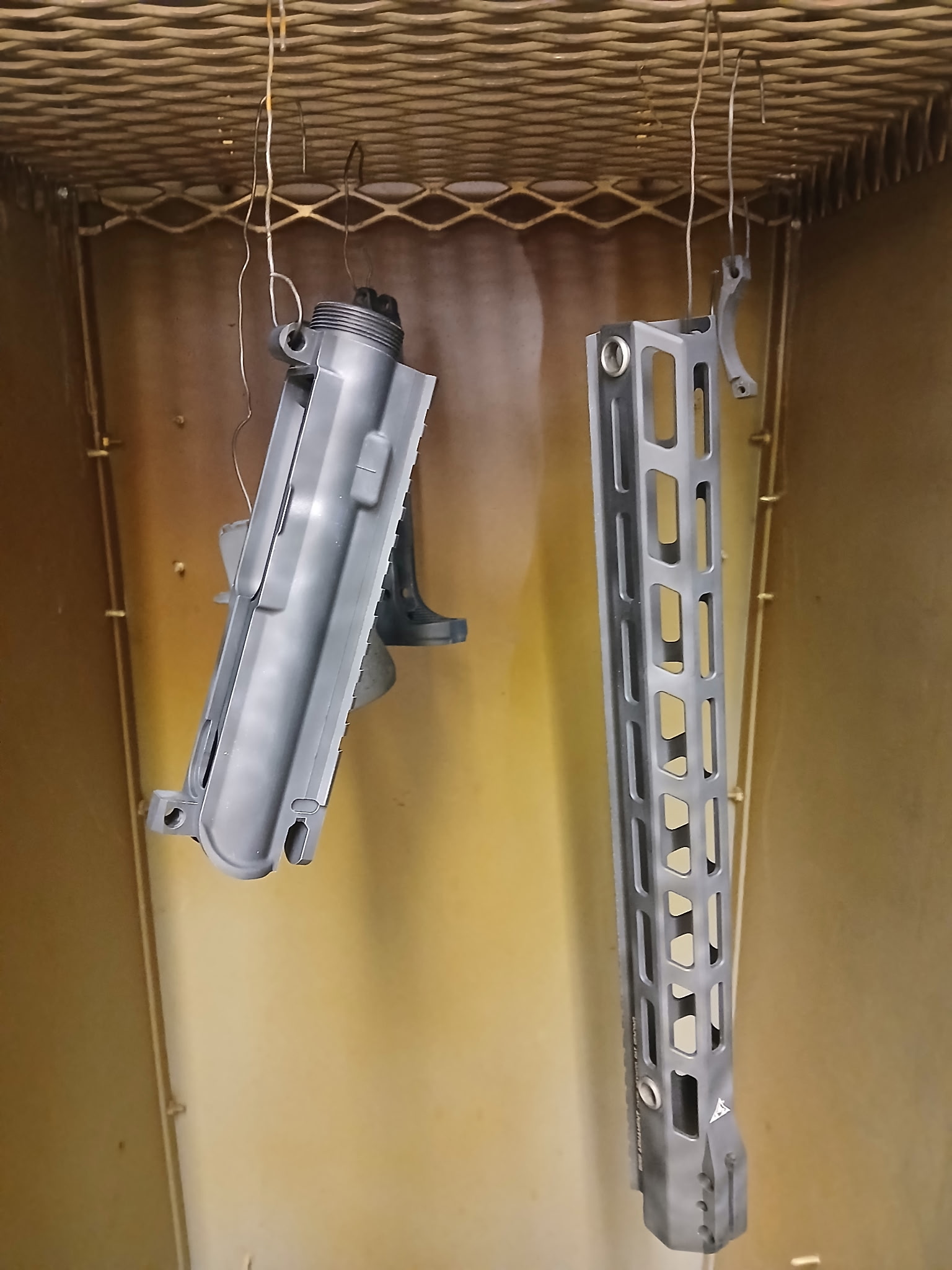
If you are weighing parkerizing against a modern ceramic coating, here is how a proper Cerakote job actually gets done, phase by phase:


Comments