
How to Identify and Clean Carbon Rings in Rifle Barrels And Why It Matters for Precision Shooters

Updated: Sep 21
A carbon ring is a hardened band of carbon that forms about an inch ahead of the throat, inside the chamber neck, or both. It behaves like an obstruction: chamber pressure climbs, velocity goes inconsistent, bolt lift gets stiff and groups open up on a rifle that was shooting fine a month ago. It is not barrel wear, it is not a bad lot of powder and it is not your scope. It comes out with a carbon solvent, a brush one or two sizes larger than your bore, and a little Simichrome, in under half an hour. The mistake nearly everyone makes is cleaning only the bore, because a bore brush is too small to touch the chamber neck where the ring actually lives.
Every precision shooter reaches a point where something feels off: your once-dialed-in rifle starts throwing random flyers, velocity strings stretch out, and your bolt feels a little... tight.
Is it the brass? Bad batch of powder? Did your scope shift?
Odds are it’s none of those. You may have a carbon ring.
This issue plagues custom rifles, especially high-pressure cartridges like the 6mm Creedmoor, 6.5 Creedmoor, and 6mm Dasher the same rifles we build and shoot here at Redleg.
In this post, we’ll cut through the confusion around carbon rings:
What they really are
Why they form
How they affect pressure and accuracy
And most importantly how to safely and effectively clean them
And for shooters looking to take control of their rifle’s performance, you’ll find a free download at the end that will change how you track and tune your loads forever.
What Is a Carbon Ring, Really?
A carbon ring is not your average fouling. It's a hardened layer of carbon deposits that forms inside the barrel, typically about 1 inch forward of the chamber throat and/or in some cases, directly in the neck area of the chamber itself.
Why does it matter?
Because that hardened carbon ring acts like an obstruction. It can:
Raise chamber pressure
Cause velocity inconsistencies
Alter bullet seating depth or jump
Lead to flyers and poor groups
Even cause dangerous pressure spikes
Some carbon rings are so hard, shooters have compared them to diamond and with good reason: diamonds are carbon, just under pressure and heat.
This is also the single most common false alarm we see on a rifle that has 'worn out'. Erosion and a carbon ring produce the same symptoms, and only one of them costs you a barrel:

What Causes Carbon Rings in Rifle Barrels?
Here’s where things get interesting and more misunderstood than just about anything in precision shooting.
1. High-Pressure, Small-Bore Cartridges
Rifles like the 6mm Creedmoor, 6 GT, 6 Dasher, and others with large case capacities and small bore diameters tend to be the most affected.
2. Short or Inconsistent Neck Trim Lengths
Brass that's trimmed too short can leave a gap between the case mouth and chamber shoulder. That space becomes a collection zone for fouling, which hardens over time.
3. Tight Freebore Diameters
Reamers with tight freebore diameters (like .2435" or .2436") don’t allow enough gas and carbon to escape leading to early carbon buildup. This is very common in wildcat and custom cartridges, and even some factory chambers.
For example, many 6mm GT and Dasher chambers are cut with tight freebores, which directly contributes to early carbon ring issues even under moderate loads.
4. Improper Cleaning Practices
Most shooters clean the bore, but not the chamber neck area. Brushes and jags for the bore are too small to touch the wider chamber neck, where carbon often hides.
Where Is the Carbon Ring?

There are two common locations:
Location A (True Carbon Ring): About 1" into the bore, just ahead of the throat.
Location B (Chamber Neck Ring): Right at the shoulder/neck transition inside the chamber.

Location B
Both can restrict case neck expansion, impact bullet jump, or increase pressure. The chamber neck ring is often the culprit behind hard bolt closure or lift, especially with shorter-trimmed brass.
Stiff bolt lift and a pressure sign are worth taking seriously on their own. If cleaning the neck does not settle it, the next question is whether something else changed:

How Carbon Rings Increase Pressure
Carbon rings in rifle barrels can shrink effective chamber dimensions and constrict the bullet during ignition. This increases resistance and raises chamber pressure even with moderate loads.

You might see:
Sudden pressure signs (flat primers, ejector marks)
Increased velocity
Stiff bolt lift or bolt stuck on extraction
Inconsistent grouping
Vertical stringing in particular has a short list of causes, and pressure variation from a carbon ring is on it:

How to Remove a Carbon Ring Safely (Without Damaging the Barrel)
Let’s walk through the Redleg approved carbon ring cleaning process used in our shop and on our own rifles.
Tools You’ll Need:
Bore scope (recommended)
Coated cleaning rod with jag one caliber smaller
Flannel/cotton patches, tightly folded
Simichrome polish
Carbon solvent (e.g. Bore Tech C4 or Carbon remover)
Oversized brush (e.g. .270 or .30 cal for 6mm necks)
Nylon or copper brush
Cordless drill (optional)

Step-by-Step Process:
Clean the Barrel Normally Remove copper and powder fouling before attacking the carbon ring.
Apply Carbon Solvent to Chamber Neck Soak a patch with Bore Tech C4. Let it sit 15 to 20 minutes in the chamber neck area.
Scrub the Chamber Neck Use a larger than bore brush to scrub the neck area where the ring forms. Rotate the rod by hand, or spin it with a cordless drill for stubborn rings.
Simichrome Polish, Bore Cleaning
Load a tight patch with Simichrome on the sides and front, not the tip.
Push through the bore once.
Reapply and scrub the first 30% of the barrel for ~2 minutes.
Replace patch and repeat only 2 cycles (unless you have a borescope and can view bore).
Final Clean Remove any residual polish and fouling with your standard solvent.
Never over-polish. You’re cleaning, not shining a mirror in your bore.
Carbon Ring Cleaning: Caliber to Neck Brush Size Chart
Caliber | Approx. Neck Diameter | Recommended Brush Size |
.204 Ruger | .233" | .243 (6mm) brush |
.22 LR / .223 / 5.56 | .253", .255" | .257 (.25 cal) brush |
.243 / 6mm | .271", .274" | .277 (.270 cal) brush |
.25-06 / .257 Roberts | .288" | .284 (.28 cal) brush |
6.5 Creedmoor / .260 Rem / 6.5x55 | .296", .297" | .30 cal (.308) brush |
.270 Win | .303", .305" | .32 cal brush |
.308 / 7.62 NATO / .30-06 | .338" | .338 brush or .35 cal |
.338 Lapua | .371", .373" | .375 brush |
.35 Whelen | .393" | .40 cal brush |
.375 H&H | .402", .403" | .40 cal brush |
.45-70 Govt | .481", .484" | .50 cal brush |
.50 BMG | .561", .563" | .54 cal brush |
When in doubt, size up slightly. You want firm contact with the carbon ring area in the chamber neck, not the bore.
Bonus Tip: Beware of “False Carbon Rings”
Sometimes what looks like a carbon ring in your bore scope is just a shadow at the shoulder junction. Always check from both muzzle and chamber ends before assuming you’ve found a carbon ring.
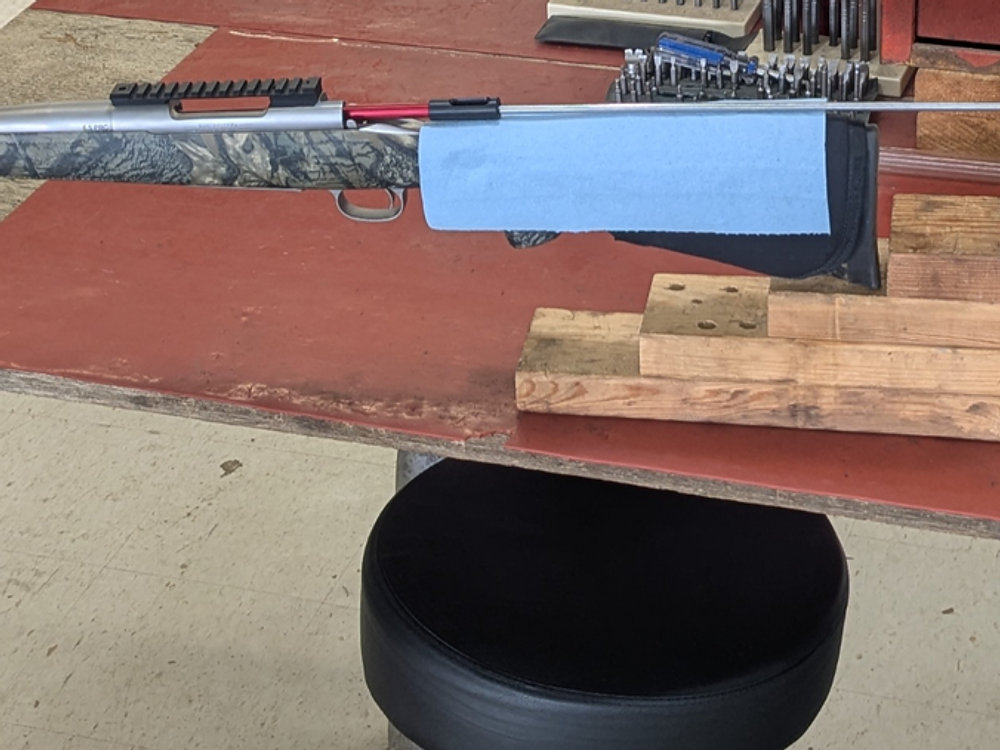
Carbon ring removal is one step inside a full cleaning regimen. The whole process, including what we do and deliberately do not do:
How to Tell a Carbon Ring From a Barrel That Is Actually Finished
The difference is whether it comes out.
Clean the chamber neck and the first few inches of bore properly, then shoot the rifle over a chronograph. If velocity and spread come back toward where they used to be, it was carbon and the barrel is fine. If the numbers stay where they are and groups stay open, the throat is eroded and cleaning will not bring it back. That is a twenty minute test that decides whether you are buying a barrel.
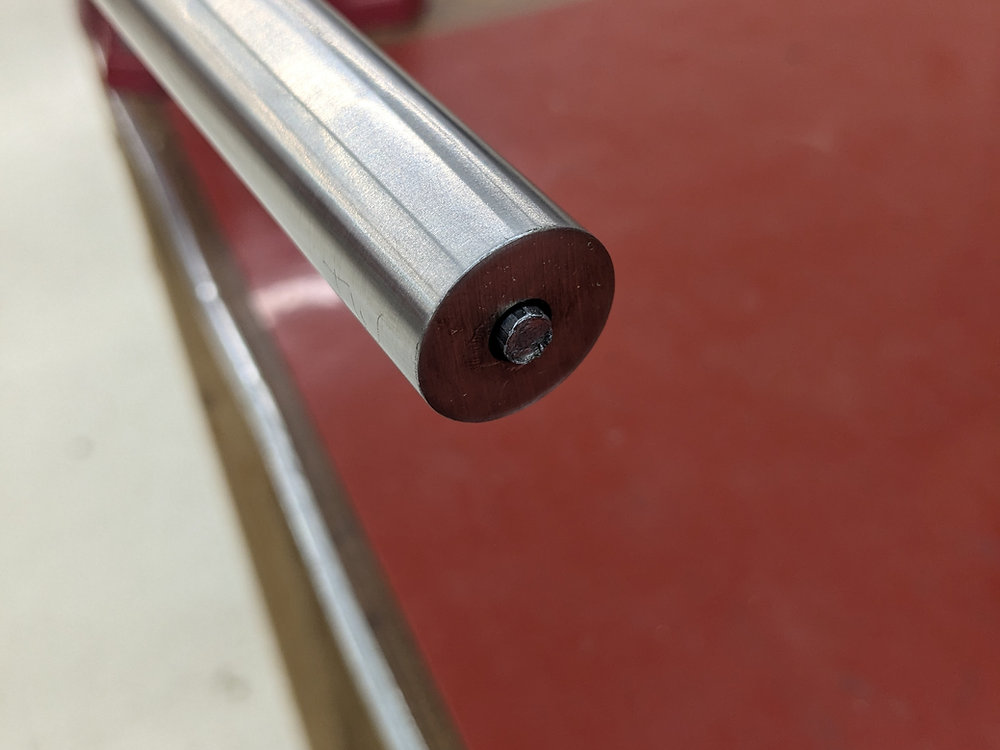
If you want to see the inside of the bore rather than infer it, slug it. A slug tells you where the tight and loose sections are and how far the erosion runs:
And this is what the whole decision looks like when we run it as a paid diagnostic, including the case where the barrel turned out to be fine:

Frequently Asked Questions
What is a carbon ring in a rifle barrel?
A hardened band of carbon deposit that builds up either about one inch into the bore ahead of the throat, or right at the neck and shoulder transition inside the chamber, or both. It is not ordinary powder fouling. It is baked on hard enough that shooters routinely compare it to glass, and it behaves like a restriction rather than like dirt.
How do I know if I have a carbon ring?
The symptom set is distinctive: random flyers on a rifle that used to group, velocity spread stretching out, stiff bolt lift or a bolt that sticks on extraction, and sometimes pressure signs at a charge that was fine last season. A borescope confirms it. If you do not have one, clean the neck properly and see whether the symptoms go away.
Which cartridges get carbon rings worst?
High pressure cartridges with a lot of case capacity behind a small bore. The 6mm Creedmoor, 6 GT and 6mm Dasher are the usual suspects, and tight freebore chambers in those cartridges make it worse. It happens in ordinary factory chambers too, just more slowly.
Why does short trimmed brass cause carbon rings?
A case trimmed short leaves a gap between the case mouth and the end of the chamber neck. That gap is a collection zone. Gas and carbon get in, nothing wipes it out, and it hardens there. Consistent trim length is one of the cheapest preventions available.
Can a carbon ring raise chamber pressure?
Yes, and this is the part worth taking seriously. The ring shrinks the effective chamber dimension and constricts the bullet at ignition. That adds resistance and raises pressure on a load that was safe when the barrel was clean. It is one of the few fouling problems with a real safety angle.
Will a carbon ring change my velocity?
Usually yes, and often upward at first, which is why it fools people. Then the spread widens and the numbers stop being repeatable. A rifle that suddenly got faster and less consistent is a rifle worth borescoping.
Why does a normal bore brush not remove the carbon ring?
Because the chamber neck is wider than the bore, so a bore sized brush never touches it. You need a brush one or two calibers larger to get firm contact in the neck. That single fact is why so many meticulously cleaned rifles still have a ring.
What brush size should I use for my caliber?
The chart in this article lists it. As a rule: 6mm neck takes a .277 brush, 6.5 takes a .30 caliber, .308 takes a .338 or .35, .223 takes a .257. When in doubt, size up slightly. You want firm contact in the chamber neck, not in the bore.
What solvent removes carbon rings?
A dedicated carbon solvent, not a general purpose cleaner and not a copper solvent. Let it soak in the chamber neck for fifteen to twenty minutes before you scrub. Copper removers do not touch hardened carbon, which is why a rifle can be copper clean and still be carboned up.
Is Simichrome safe to use in a rifle bore?
Used the way we describe it, yes. Load a tight patch on the sides and the front rather than the tip, work the first third of the barrel for about two minutes, and do no more than two cycles unless you have a borescope and can see what you are doing. It is a mild abrasive polish, and the failure mode is over-polishing, not damage from one careful pass.
How often should I check for a carbon ring?
On a high pressure small bore cartridge, look every few hundred rounds. On a standard hunting cartridge it is far less urgent. The better trigger is your data: check when velocity spread widens, when groups open, or when seating pressure changes.
Can a carbon ring damage my barrel permanently?
The ring itself does not destroy the steel. What causes trouble is leaving it there while running pressure against it, and aggressive attempts to remove it with the wrong tools. Steel rods, oversized jags forced through, and endless polishing do more harm than the carbon ever would.
What is a false carbon ring?
A shadow at the shoulder junction that looks like a ring through a borescope from one direction. Always look from both the muzzle and the chamber end before deciding. People have scrubbed clean chambers for an hour chasing an optical artifact.
Does a carbon ring affect seating depth or bullet jump?
It can. A ring in the neck area changes the geometry the case neck expands into and the space the bullet travels before it hits the rifling. If your seating depth results stop being repeatable, clean the neck before you conclude anything about the load.
Can Redleg clean this for me?
Yes, and it is worth asking about if you have never done it or if you have tried and the symptoms did not change. Call 507-677-6007. If it turns out to be erosion rather than carbon, we will tell you that instead of selling you a cleaning.
Tired of Guesswork in Load Development?
If you’re serious about dialing in your rifle and staying ahead of carbon rings, tracking your load data is a must. That’s why we’ve built a set of professional-grade Reloading Data Sheets the same ones we use at Redleg.
Whether you’re tuning a new 6.5 Creedmoor or trying to extend the life of your 6 Dasher barrel, these sheets help you monitor:
Pressure signs
Cleaning intervals
Velocity consistency
Case growth
Seating depth trends
Group sizes over time

Track your rifle’s performance like a pro. Eliminate guesswork. Shoot with confidence.
Final Thoughts from the Bench
At Redleg, we don’t just build rifles we build trust with shooters who demand reliability, accuracy, and craftsmanship. Carbon rings are a hidden enemy, but they don’t have to ruin your season, your match, or your confidence.
With the right tools, knowledge, and a disciplined maintenance routine, you’ll keep your rifle in fighting shape and your groups tight.
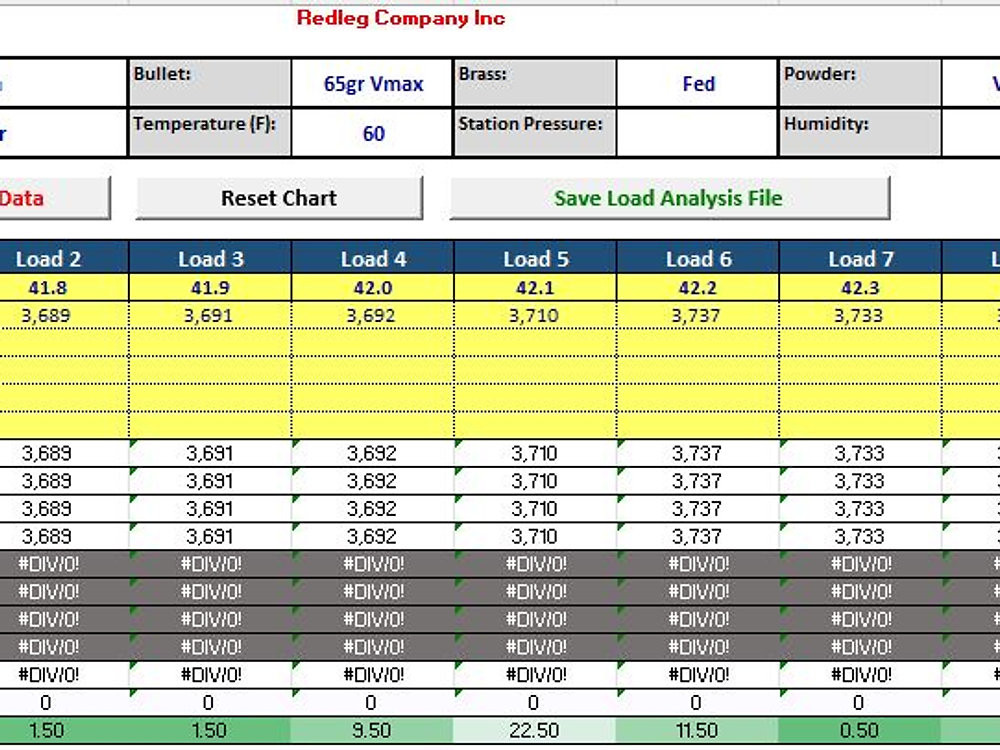
Tracking load data is how you catch a carbon ring early instead of finding it after a match. This is what ten sessions of that discipline look like on one rifle:

And how to read what the targets and the numbers are telling you:
Bring Us the Rifle
Call the shop at 507-677-6007, or read the standard and the pricing on the services and pricing page. Rifles ship to us from across the country and we ship everything back when the work is complete.
Redleg Company, 430 Main Avenue, Chandler, Minnesota. Phone 507-677-6007. Email info@redlegguns.com.
The chamber that the ring forms in is cut on a lathe, and how it is cut affects how fast carbon builds:

The whole accuracy system, if you want to know where fouling ranks against everything else:


Comments