
How Barrel Wear Affects Precision and What You Can Do About It

Updated: 2 days ago
A barrel does not fail on one round, it fades. On a .308 Winchester we tracked, average velocity went 2,938 fps new, 2,920 fps at 700 rounds, and 2,882 fps after a deep clean at that same round count. That is the whole story in three numbers: the throat erodes, gas starts slipping past the bullet, velocity walks down and groups open up. The practical rule is that velocity decline is often measurable by 500 rounds in a high performance cartridge, and once you are 150 to 200 fps off your original number and dropping faster than before, the throat is past saving and it is time to rebarrel.
Nothing here requires a borescope or a gunsmith. It requires a chronograph and the discipline to write the number down. Most shooters find out their barrel is worn when they miss something, which is the most expensive way to learn it.
If you’ve been in the shooting game for a while, you already know this truth: barrels wear out.
But if you're newer to precision shooting, you might be surprised how early those effects start and how significantly they can impact your rifle’s performance.
What is “barrel life”? Simply put, a rifle barrel’s life is the number of rounds it can fire before accuracy or velocity degrades beyond your acceptable level for hunting, competition, or tight group shooting.

Why Barrel Wear Matters at Redleg Company
At Redleg Company, precision and reliability are everything. Whether you're a hunter, a long-range competitor, or a serious reloader, understanding how barrel wear affects precision helps you:
Maintain top-tier accuracy
Avoid surprises mid-season or mid-match
Make smarter maintenance and reloading decisions
We even built a Barrel Life Calculator to help you estimate round count thresholds based on your cartridge and use case. It is free and it does not ask for anything.
What Causes Barrel Wear?
Barrel wear is primarily caused by:
Heat and friction from bullets scraping down the bore
High-pressure gas erosion, especially in the throat area
Carbon and copper fouling, which change bore geometry
Over time, this erosion degrades both velocity and consistency.
Early Symptoms of Barrel Wear
Here’s how it shows up in real-world use:
1. Gradual Loss of Velocity
Velocity declines are often detectable by 500 rounds, especially in high-performance cartridges.
Example: 308 Winchester barrel test
Round Count | Avg. Velocity (fps) |
0 (new) | 2938 |
700 | 2920 |
700+ (post deep clean) | 2882 |
Note: A deep clean often removes carbon buildup from the throat, causing a sudden velocity drop but this restores consistency and is necessary to maintain accuracy.
That deep clean number is the one people misread. The 38 fps drop after cleaning is not damage, it is the carbon coming out of the throat. The barrel was running fast because it was fouled, and a fouled barrel is not a stable barrel. What you want is a number you can trust, not the highest number.

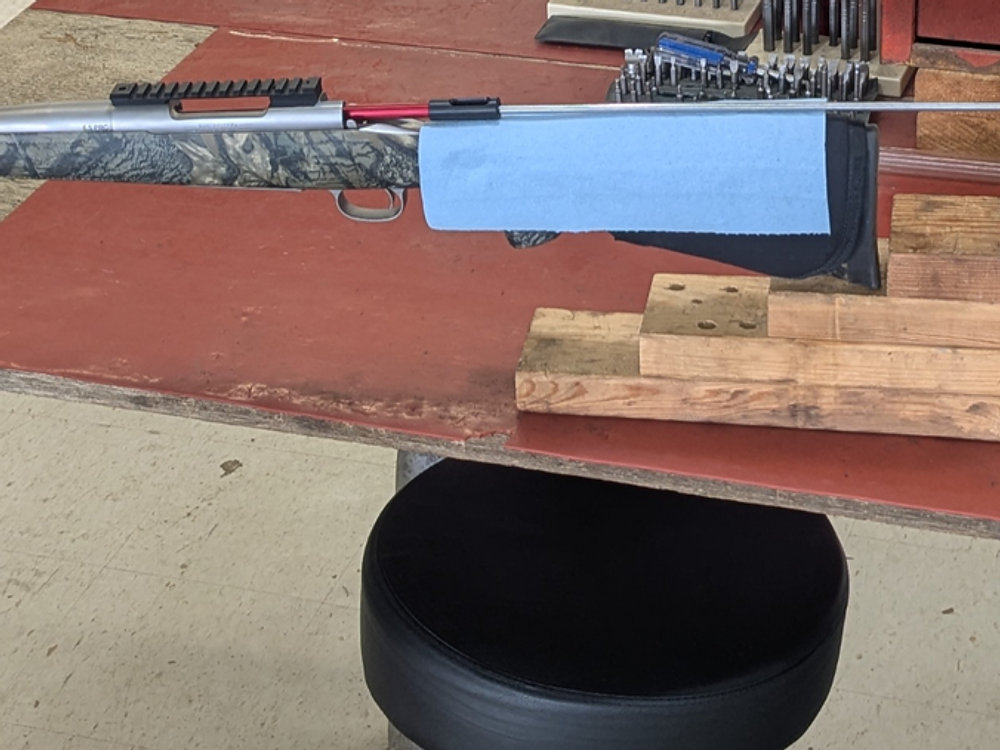
How we clean, and why aggressive is not the same as thorough:
Why Barrel Wear Affects Precision
As carbon builds in the throat, it causes a tight spot followed by a looser section. This swages the bullet as it enters the bore destroying uniform bullet release.

This shows up in your data as:
Widening group sizes
Increasing ES (Extreme Spread) and SD (Standard Deviation)
Shot-to-shot inconsistencies
You may still be “on target,” but you’re not dialed anymore.

If your groups have opened up, do not assume it is the barrel. It very often is not, and the cheap checks come first:

How to Manage Barrel Wear Without Killing Accuracy
You can often extend your barrel's useful life by adjusting your shooting and reloading practices:
1. Increase Powder Charge Slightly
As velocity drops, gently bump your charge up to regain original velocity within safe pressure limits.
Safety Tip: Always work up slowly. Watch for signs of overpressure (e.g. flattened primers, sticky bolt lift). Never exceed published max loads.
2. Don’t Chase the Lands (Unless You Jam)
If you normally jump bullets, avoid constantly adjusting seating depth as the throat erodes. Just increase your powder to compensate.
If you jam (common with VLD-style bullets), you must “chase the lands” to maintain contact with the rifling. This means adjusting seating depth forward as erosion pushes the lands further out.
Quick Definition: “Chasing the lands” = increasing your bullet’s overall length to maintain the same jump distance as the throat erodes.
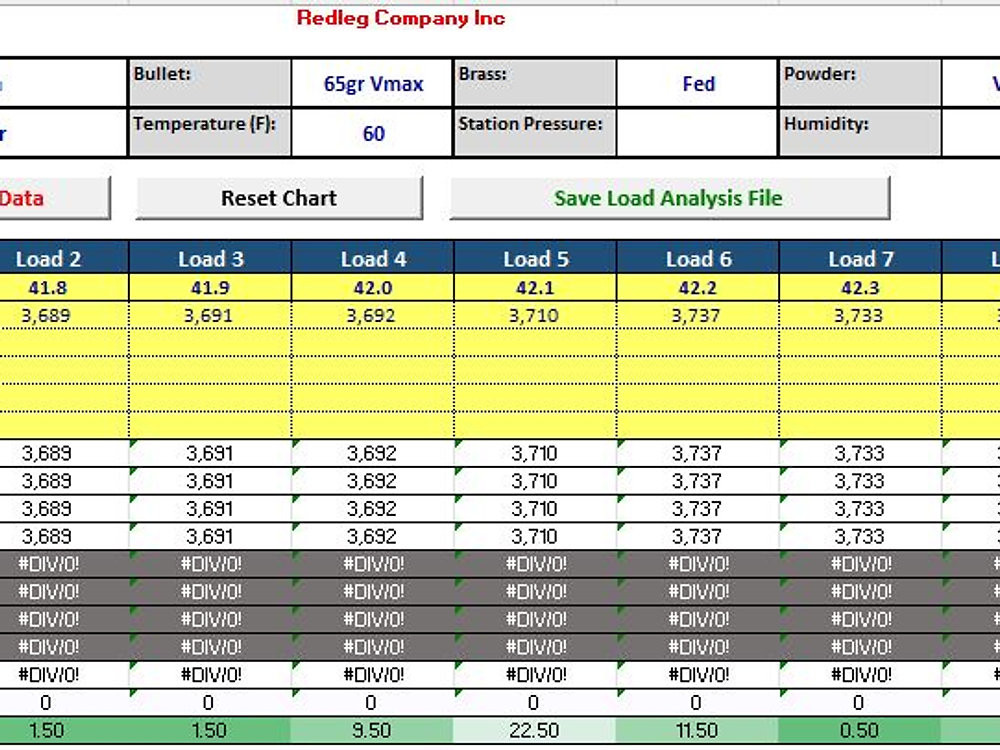
Chasing the lands, jump versus jam, and how much any of it actually moves a group:
3. Clean Smart But Not Too Often
Aggressive cleaning too frequently can hurt consistency. Clean only when you see:
Velocity drops
Group sizes opening up
Fouling impacting seating pressure
“Cleaning to bare steel” means using aggressive solvents or abrasives to remove all carbon and copper fouling restoring the barrel to its raw state.
Approximate Barrel Life by Cartridge
Cartridge | Approx. Barrel Life (Competitive Accuracy) |
6mm Dasher | 1,500 to 2,500 rounds |
6.5 Creedmoor | 1,500 to 2,000 rounds |
.308 Winchester | 2,000 to 3,000 rounds |
.223 Remington | 3,000 to 5,000+ rounds |
Use our Barrel Life Calculator to estimate your barrel's lifespan based on your load, usage and cleaning habits.
When to Call It: Time to Replace a Barrel
Here are three key signs that your barrel is done:
1. Massive Velocity Drop
If you're down 150 to 200 fps from where you started, and it's dropping faster than before, the throat may be too eroded to salvage.
2. Precision Fails Mid-Match
If you can’t hold groups over the course of a match or even a single range session it’s likely time to re-barrel.
3. Cleaning Is a Pain
If it takes days of soaking and brushing just to get fouling out, it's probably not worth the effort anymore.
⏳ Pro Tip: Swap barrels before a big match. Use the worn one for practice and save the fresh tube for when it counts.
How to Tell a Worn Barrel From a Barrel That Was Never Right
Wear is gradual. A barrel that was never right is not.
If a rifle shot well and has slowly gotten worse over hundreds of rounds, that is wear and this article is your answer. If a rifle has never grouped since it was new, or if it opened up suddenly between one range trip and the next, the barrel is usually not the problem. Mounts, rings, bedding, a failed scope and an ammunition change all move a group faster than erosion does, and all of them are cheaper to check.
Two ways to settle it without guessing. Slug the bore and you will feel where the tight and loose sections are and how far the throat erosion runs. Put a borescope in it and you will see whether the throat is cracked and alligatored or merely dirty.
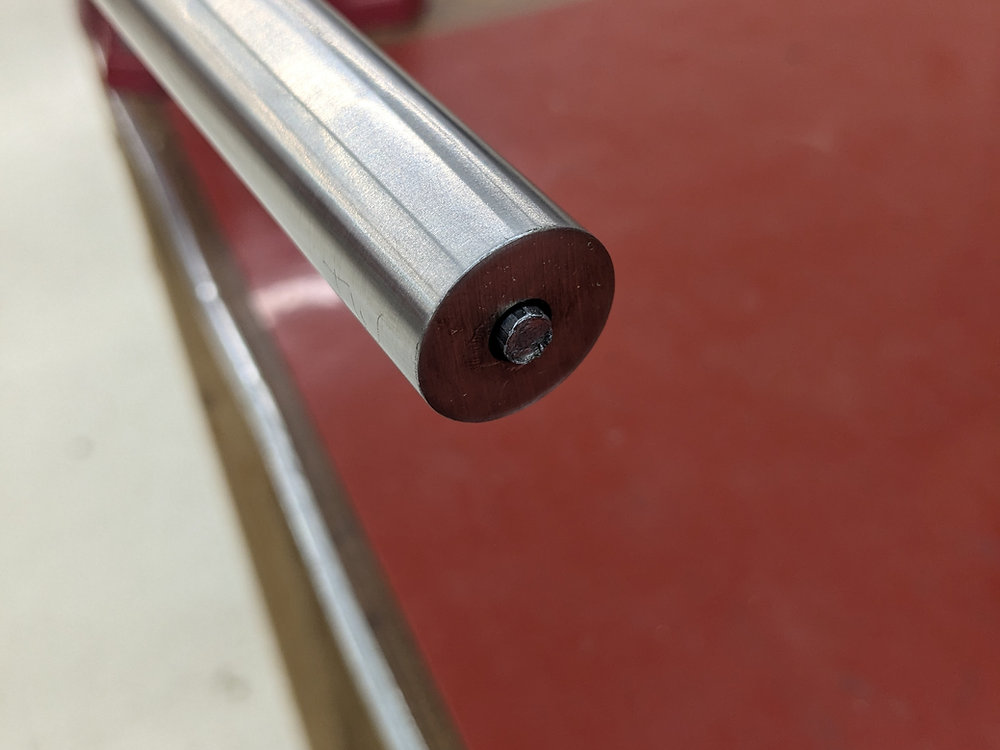
And if the bore has a rough section rather than an eroded throat, lapping is sometimes the answer instead of a new barrel:

Theory Corner: Why Does Velocity Drop as Barrels Wear?
Here’s our working theory:
As the throat erodes, gas starts bypassing the bullet during engraving. That means less pressure behind the bullet, and thus, reduced velocity.
We’ve seen it on the chronograph.
Key Takeaways
Barrel wear starts earlier than most shooters expect 500 rounds or less in high-performance cartridges
Track velocity with a chronograph to monitor wear
Adjust powder before chasing the lands
Clean thoroughly but only when needed
Swap barrels when velocity or precision degrade beyond practical use
Final Thoughts from Redleg Company
Barrel wear is inevitable but accuracy loss doesn’t have to be. By staying on top of your data, tuning loads smartly, and knowing when to re-barrel, you’ll stay competitive longer and shoot with confidence.
Need help assessing barrel life or fine-tuning your setup? We're here for it.
Frequently Asked Questions
How many rounds does a rifle barrel last?
It depends far more on the cartridge than on the barrel maker. Roughly, for competitive accuracy: 6mm Dasher 1,500 to 2,500 rounds, 6.5 Creedmoor 1,500 to 2,000, .308 Winchester 2,000 to 3,000, .223 Remington 3,000 to 5,000 or more. A hunting rifle that only needs to hold two inches will go far longer than those numbers, because the standard is lower.
How do I know if my barrel is worn out?
Three signs together, not one alone. Velocity down 150 to 200 fps from where it started and falling faster than before. Groups you cannot hold through a single range session. Fouling that takes days of soaking to remove. One of those is a bad day. All three is a worn barrel.
At what round count does barrel wear start affecting accuracy?
Earlier than most shooters expect. Velocity decline is often measurable by 500 rounds in a high performance cartridge. That does not mean the barrel is finished at 500, it means the clock has started and you should be recording numbers.
What actually wears out in a barrel?
The throat, almost always. Hot high pressure gas erodes the short section of bore just ahead of the chamber where the bullet engages the rifling. The rest of the bore usually looks fine when the throat is finished.
Why does velocity drop as a barrel wears?
Our working theory, and we have watched it on the chronograph: as the throat erodes, gas begins to bypass the bullet during engraving. Less pressure stays behind the bullet, so it leaves slower. The erosion is not removing the barrel's ability to spin the bullet, it is leaking pressure.
Should I increase my powder charge as the barrel wears?
Within safe pressure limits, yes, and it is usually the better move than chasing the lands. Work up slowly, watch for flattened primers and sticky bolt lift, and never exceed published maximum loads. If you cannot recover velocity without pressure signs, that is information about the barrel.
What does chasing the lands mean, and do I have to do it?
It means increasing your bullet's seating length as the throat erodes so the bullet keeps the same relationship to the rifling. If you jump your bullets, you generally do not need to chase, just adjust powder. If you jam, which is common with VLD style bullets, you do have to chase or the load changes character underneath you.
Does cleaning make my velocity drop?
Yes, temporarily, and that is not a problem. A deep clean pulls carbon out of the throat and the barrel loses the artificial speed the fouling was giving it. On the .308 we tracked, that was 38 fps. What you get back is consistency, which is worth more than the number.
How often should I clean a rifle barrel?
When the data tells you to, not on a schedule. Clean when velocity drops, when groups open up, or when fouling starts affecting seating pressure. Aggressive cleaning on a calendar hurts consistency more than it helps.
Can a worn barrel be saved by lapping?
Sometimes, and it depends what is wrong. Hand lapping evens out a rough bore and can clean up tool marks and a tight spot. It cannot rebuild an eroded throat and it cannot fix a bore that has opened up toward the muzzle. Slug the barrel first and you will know which one you have.
Can a barrel be set back and rechambered instead of replaced?
Often yes, and it is worth asking about. If the throat is eroded but the rest of the bore still measures well, cutting the barrel back behind the damage and recutting the chamber gives you a fresh throat on the same tube. It is not free, but it is less than a new barrel plus fitting.
Does a carbon ring mean my barrel is worn out?
No, and this is the most common false alarm we see. A hard carbon ring at the throat mimics wear: velocity moves, groups open, seating pressure changes. It comes out with the right solvent and patience. Rule it out before you buy a barrel.
Is a stainless barrel going to last longer than chrome moly?
Not meaningfully, in the way that matters. Throat erosion is driven by heat and gas, and both materials erode. What actually changes barrel life is the cartridge, the powder charge, how fast you shoot strings, and how hot you let the barrel get.
Does shooting fast wear a barrel out quicker?
Yes, and it is one of the few things fully under your control. Heat is what erodes a throat. Long strings fired quickly do more damage per round than the same rounds fired with cooling time between them.
What does Redleg charge to rebarrel a rifle?
It depends on the barrel, the chambering and what else the action needs, so call 507-677-6007 and we will give you a straight number. We will also tell you if we think the barrel is not your problem, which happens more often than you would think.
Before You Buy a Barrel, Make Sure You Need One
This is what the decision looks like when we run it as a paid diagnostic, on a rifle where the barrel turned out to be fine:

When a barrel is genuinely done, this is what a precision rebarrel involves:

And this is what ten sessions of load development on one rifle actually looks like, if you want to see velocity and group data tracked properly:

Talk to Us About Your Barrel
Call the shop at 507-677-6007, or read the standard and the pricing on the services and pricing page. Rifles are shipped to us from across the country and we ship everything back when the work is complete.
Redleg Company, 430 Main Avenue, Chandler, Minnesota. Phone 507-677-6007. Email info@redlegguns.com.
Tracking barrel wear is a reloading bench job as much as a gunsmithing one. Our free reloading sheets give you somewhere to write the velocities down.

Estimate your own barrel's remaining life with the Barrel Life Calculator.


Comments